How to choose
Robot or cordless stick: what the UK rules do and do not require
The UK ecodesign rules set a dust pick-up floor for corded mains vacuums only. Battery and robot machines are excluded, which changes how you choose between them.
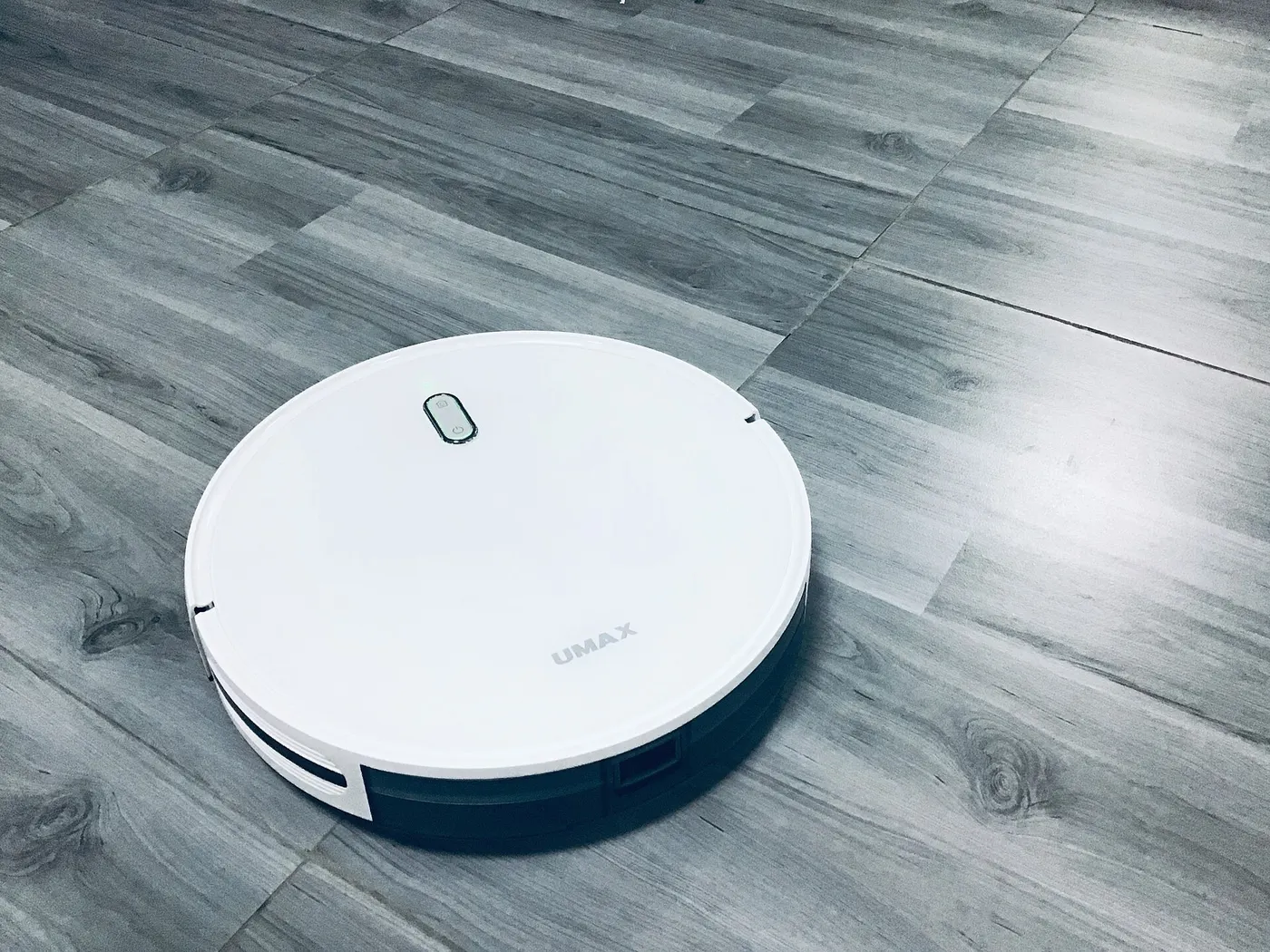
There is an assumption behind most vacuum shopping that a modern machine has to meet some minimum standard of cleaning performance. For a corded mains vacuum sold in the UK that is true, and the numbers are published. For a cordless stick or a robot it is not true at all, because the regulation that sets those minimums specifically excludes them.
That single fact reorganises the whole decision. This guide sets out what the rules actually require, what they leave out, and how to choose between the three machine types once you know which claims have a floor under them and which do not.
What the ecodesign regulation requires, and of what
Commission Regulation (EU) No 666/2013, retained in UK law and published on legislation.gov.uk, sets ecodesign requirements for vacuum cleaners in two phases. From 1 September 2014 the rated input power had to be less than 1,600 W, annual energy consumption less than 62.0 kWh/year, dust pick-up on carpet at least 0.70 and on hard floor at least 0.95.
From 1 September 2017 the second phase tightened all of them: rated input power less than 900 W, annual energy consumption less than 43.0 kWh/year, dust pick-up on carpet at least 0.75 and on hard floor at least 0.98, dust re-emission no more than 1.00%, sound power level at or below 80 dB(A), a hose still usable after 40,000 oscillations under strain, and an operational motor lifetime of at least 500 hours.
Those are real, checkable numbers, and they are the reason a modern corded vacuum at 700 W outperforms an old 2,000 W machine. Rated power stopped being a proxy for cleaning when the regulation forced makers to compete on pick-up instead of on wattage.
| Requirement | From 1 September 2014 | From 1 September 2017 |
|---|---|---|
| Rated input power | Less than 1,600 W | Less than 900 W |
| Annual energy consumption | Less than 62.0 kWh/year | Less than 43.0 kWh/year |
| Dust pick-up on carpet | At least 0.70 | At least 0.75 |
| Dust pick-up on hard floor | At least 0.95 | At least 0.98 |
| Dust re-emission | Not specified in this phase | No more than 1.00% |
| Sound power level | Not specified in this phase | 80 dB(A) or less |
| Hose durability | Not specified in this phase | Still usable after 40,000 oscillations under strain |
| Operational motor lifetime | Not specified in this phase | At least 500 hours |
Water filter vacuum cleaners and machines made only for hard floors or only for carpet have exemptions from certain dust pick-up requirements.
The exclusion that most buyers never see
Article 1(2) of the same regulation lists what it does not apply to, and the list is short and decisive: "wet, wet and dry, battery operated, robot, industrial, or central vacuum cleaners", along with floor polishers and outdoor vacuums.
So a cordless stick and a robot are both outside it. Neither has a legally required minimum dust pick-up in the UK, neither has a required motor lifetime, and neither has a required hose durability or noise ceiling under that regulation. They are not thereby bad machines; they are simply machines whose performance is entirely a claim by the maker rather than a floor set by law.
The second gap is the label. GOV.UK's guidance on energy information lists the product categories that require a UK energy label, and vacuum cleaners of any kind are not among them. The list covers air conditioners and comfort fans, dishwashers, domestic ovens and range hoods, electronic displays, lighting products, local space heaters, refrigerating appliances, solid fuel boilers, space heaters, household tumble dryers, ventilation units, washing machines and washer-dryers, and water heaters. There is no A to G rating for a vacuum to compare.
- Corded mains vacuum: covered by the ecodesign requirements above, with a dust pick-up floor
- Cordless stick: excluded as battery operated, so no required dust pick-up or motor lifetime
- Robot: excluded by name, same position as the cordless stick
- Central vacuum: excluded by name
- Every type: no UK energy label, because vacuum cleaners are not on the GOV.UK list of labelled products
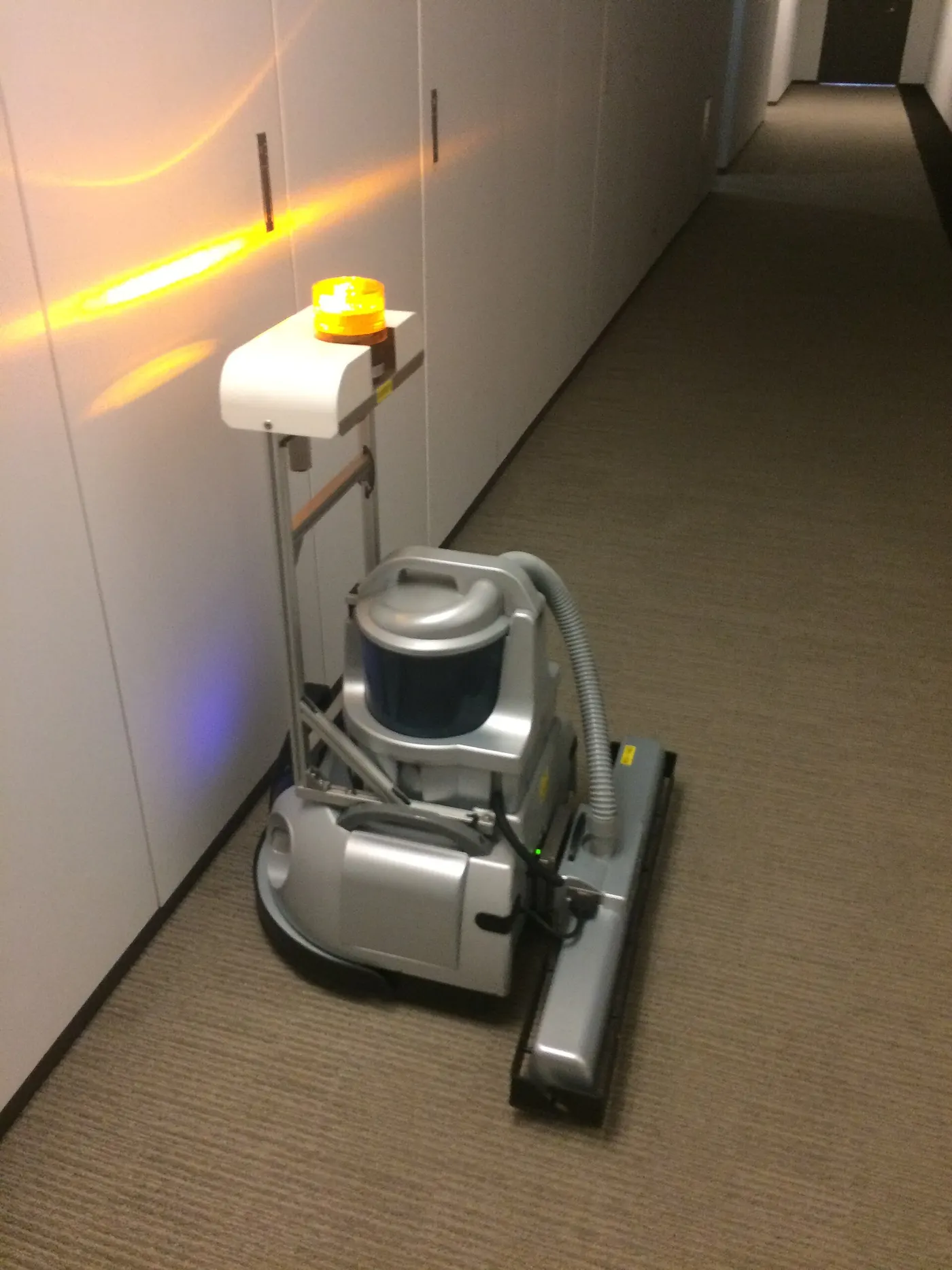
How to choose once the regulation stops helping
With no label and, for two of the three types, no performance floor, the decision has to be made on the mechanics of your own home. Three questions settle it in most households: what is the mix of carpet and hard floor, who will empty the machine, and is there a run of floor-level clutter the robot cannot clear by itself.
A home that is mostly hard floor with low-pile rugs is the easiest case for a robot, because the hard-floor task is the one disc robots do best and because an empty floor is the condition they need. A home with deep carpet and stairs is the hardest, and a corded upright with an agitating brush bar remains the machine with a published pick-up figure behind it.
The cordless stick sits between the two, and it is bought for reach rather than for throughput. Its honest advantage is that a machine on a wall bracket gets used for 4 minutes at a time, several times a week, which is more total cleaning than a cupboard machine used once a week for 40 minutes.
| Your floors | Strongest choice | What you give up |
|---|---|---|
| Mostly hard floor, few obstacles | Robot | No stairs, no deep pile, needs a tidy floor |
| Mixed carpet and hard floor, stairs | Corded mains upright or cylinder | Cable management, storage, less casual use |
| Small flat, frequent short cleans | Cordless stick | Runtime, bin size, no published pick-up floor |
| Deep pile throughout, pets | Corded mains with a brush bar | Convenience, and the machine stays in a cupboard |
| Mostly hard floor plus stairs | Robot and a handheld | Two machines, two sets of consumables |
What to check instead of a rating
Since there is no label, the checkable facts are mechanical and commercial. Body height decides whether a robot passes under your sofa and kickboards, and that is a tape-measure question answered before you shop. Bin volume decides how often someone empties it. Filter type and filter price decide the running cost, which the running-energy and cost-per-year calculators on this site will take.
Parts availability is the strongest single signal, because it is a commitment the maker has made rather than a claim it has written. A machine whose maker sells brush bars, side brushes, filters and a battery is a machine that can reach year six. One whose maker sells nothing is a machine with an end date you cannot see yet.
For a cordless stick, the battery is the part that decides the lifespan, and whether it is a user-replaceable pack or a sealed assembly is visible before purchase. A sealed pack converts the whole machine into a consumable.
Reading a maker's claim after all that
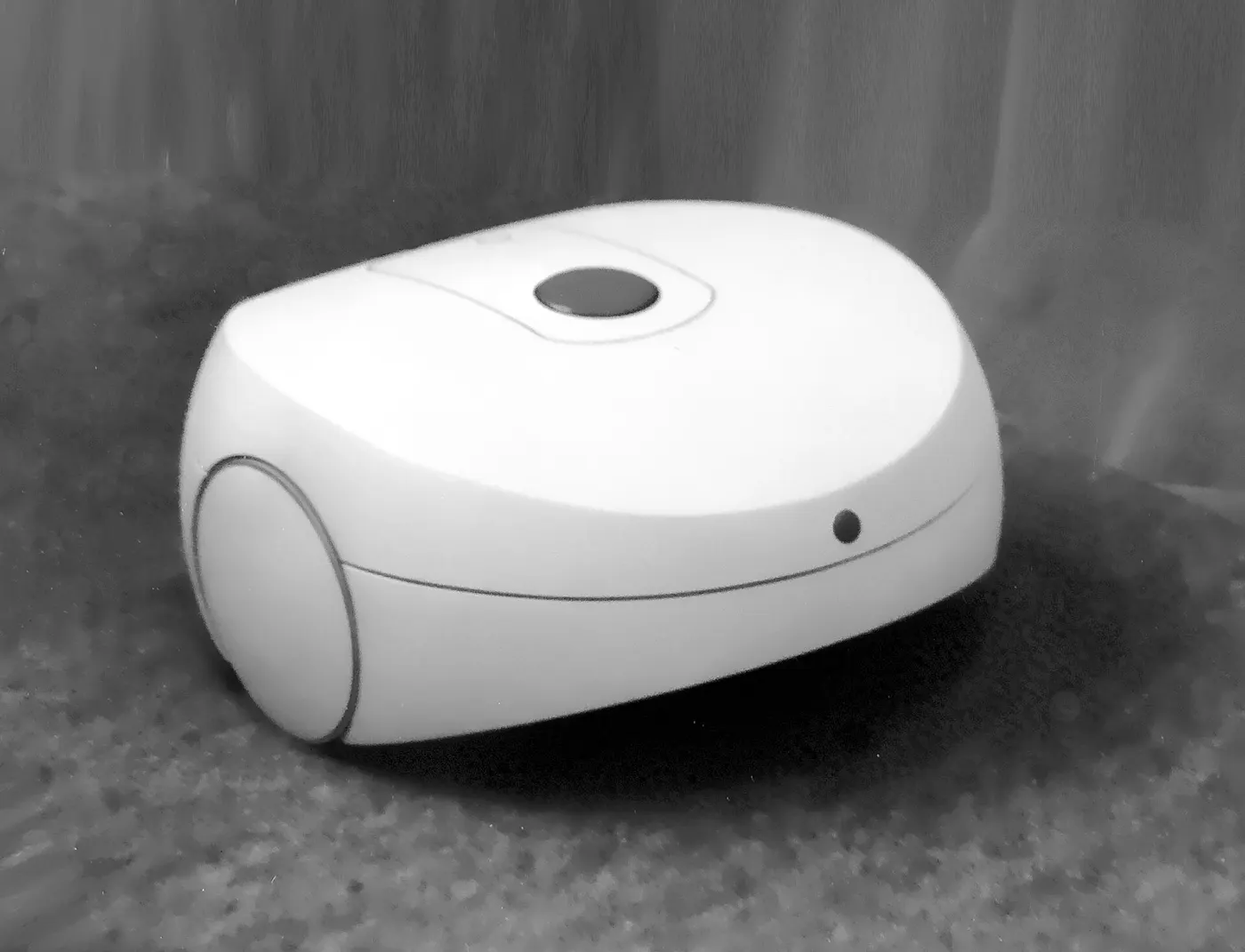
A claim such as a pick-up percentage on a cordless or robot machine is a statement from the manufacturer rather than a value set against the regulation above, because that regulation excludes the machine. The useful question is which test the number comes from, since a figure measured on hard floor and a figure measured on carpet are not comparable and the regulation itself uses different thresholds for each: 0.98 against 0.75.
Suction figures work the same way. There is no required minimum, no label and no common test obligation, so two numbers from two makers can be measured differently and still both be true. Mechanics you can inspect — brush bar, seal quality, bin volume, filter price and body height — survive that problem because they do not depend on anybody's test.
- Measure the lowest clearance in the house before considering a robot
- Check whether the machine type is inside or outside the ecodesign regulation
- Treat suction and pick-up claims on excluded machines as manufacturer statements
- Find the filter, brush bar and battery prices before comparing purchase prices
- Confirm whether a cordless battery pack is user-replaceable or sealed in
- Decide who empties the bin, and how often they will actually do it
Before you buy
- Measure the lowest furniture and kickboard clearance in the house before shopping
- Work out your carpet to hard floor ratio and which rooms matter most
- Check whether the machine type is covered by the ecodesign regulation or excluded from it
- Treat pick-up and suction claims on excluded machines as manufacturer statements
- Look up filter, brush bar and battery prices before comparing machine prices
- Confirm a cordless battery is user-replaceable rather than sealed
- Decide who will empty the bin and how often, then check the bin volume against that
Questions readers ask
- Do robot vacuums have to meet a minimum cleaning standard in the UK?
- No. Article 1(2) of the retained ecodesign regulation for vacuum cleaners lists wet, wet and dry, battery operated, robot, industrial and central vacuum cleaners as outside its scope. The dust pick-up floors of 0.75 on carpet and 0.98 on hard floor, the 900 W power limit and the 500 hour motor lifetime therefore do not apply to a robot at all.
- Why do new corded vacuums have such low wattage?
- Because the regulation caps it. From 1 September 2017 rated input power had to be less than 900 W, down from less than 1,600 W in the first phase from 1 September 2014, while the dust pick-up requirements went up rather than down. Makers had to find cleaning performance somewhere other than motor power, which is why wattage stopped being a useful comparison.
- Is there an energy label for vacuum cleaners?
- No. GOV.UK's guidance on energy information lists the categories that require a UK energy label, and vacuum cleaners are not among them. The list covers appliances such as dishwashers, refrigerating appliances, washing machines, tumble dryers, ovens, televisions and lighting. There is no A to G class to compare between two vacuums of any type.
- Does the 80 dB(A) noise limit apply to my cordless stick?
- Not under that regulation. The sound power level of 80 dB(A) or less applies from 1 September 2017 to the machines the regulation covers, which excludes battery-operated and robot cleaners by name. A quiet cordless machine is quiet because the maker chose it, not because a ceiling was imposed on it.
- Should I buy one machine or two?
- Two is the honest answer for a house with stairs and a robot, because a disc robot cannot do stairs and a corded machine is not what gets picked up for a 4 minute job. The cost is two sets of consumables, which on the example figures in our running-cost guide is roughly £39 a year rather than £24.
Sources
- legislation.gov.uk — Commission Regulation (EU) No 666/2013, Annex I: ecodesign requirements for vacuum cleaners — checked 2026-11-03
- legislation.gov.uk — Commission Regulation (EU) No 666/2013, Article 1: scope and exclusions — checked 2026-11-03
- GOV.UK — Regulations: energy information (list of products requiring a UK energy label) — checked 2026-11-03
Advertising is not enabled on this site yet. When it is, ads will be labelled and kept visually separate from the guides.