Budget and prices
What a vacuum actually costs to run in a UK home
What a vacuum costs to run at 26.32p per kWh: the 43 kWh ecodesign ceiling, robot dock standby, and why filters and brushes cost more than the electricity does.
Vacuum running costs are almost always discussed as an electricity question and are almost never an electricity question. This guide puts a number on both halves — the energy and the consumables — using the published price cap rate and the published ecodesign ceiling, so the comparison is between two figures rather than between a figure and a feeling.
The electricity rate used throughout is the Ofgem price cap unit rate for a typical direct debit customer: 26.32 pence per kWh for the cap period 1 October to 31 December 2026, alongside a daily standing charge of 54.83 pence. Put your own tariff into the running-energy calculator on this site and every figure below rescales.
The electricity, at a rate you can look up
Start with the one number a corded mains vacuum is obliged to respect. The retained ecodesign regulation requires annual energy consumption of less than 43.0 kWh/year for machines placed on the market from 1 September 2017. At 26.32p per kWh, 43 kWh is £11.32 a year, and that is a ceiling rather than a typical figure.
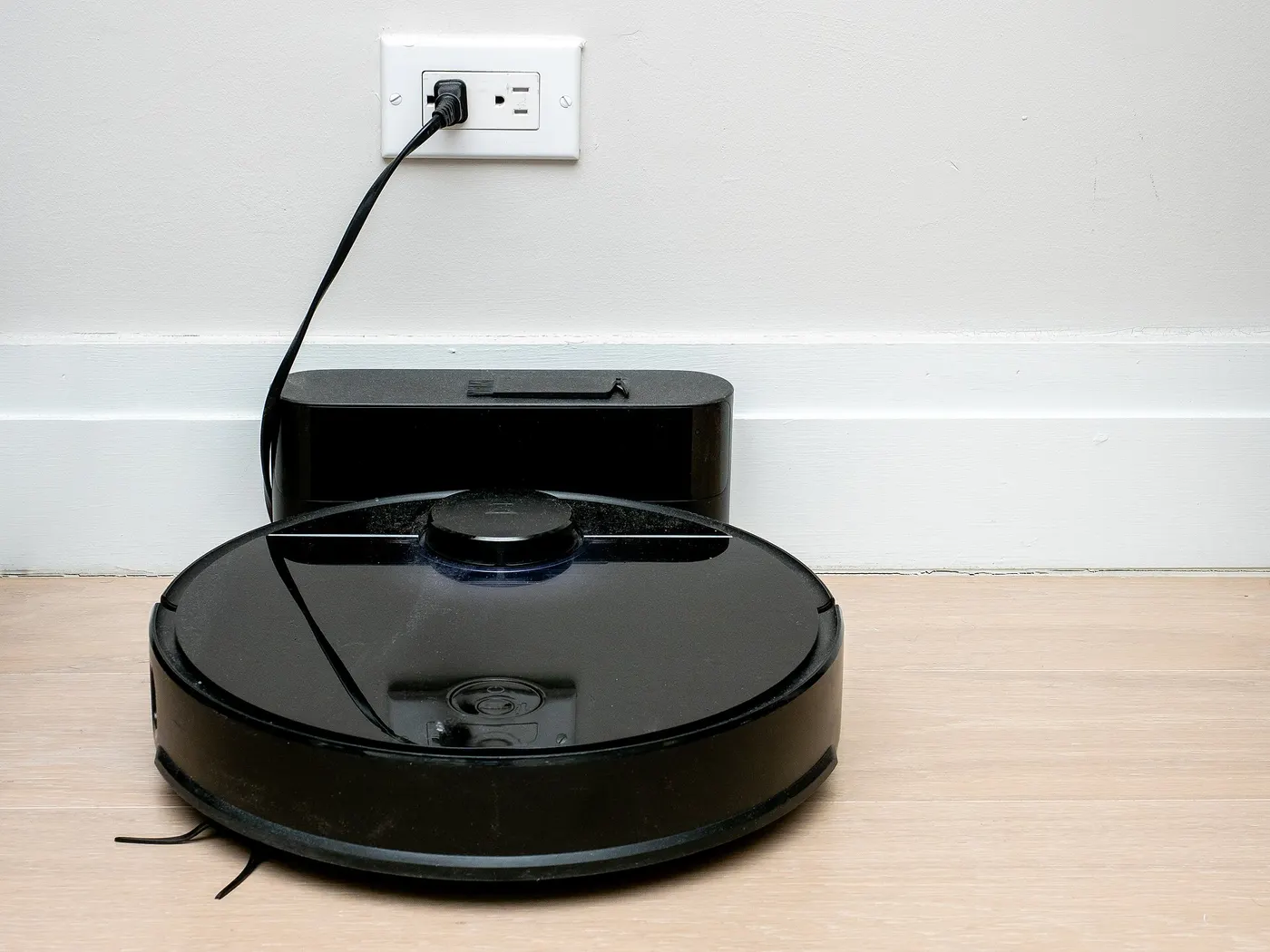
A robot is a different shape of problem because it has two draws. Cleaning for 1 hour a day at an average 30 W is 10.95 kWh a year, which is £2.88. The dock drawing a continuous 2 W all year is 17.52 kWh, which is £4.61 — more than the cleaning. Together that is 28.47 kWh, or £7.49 a year.
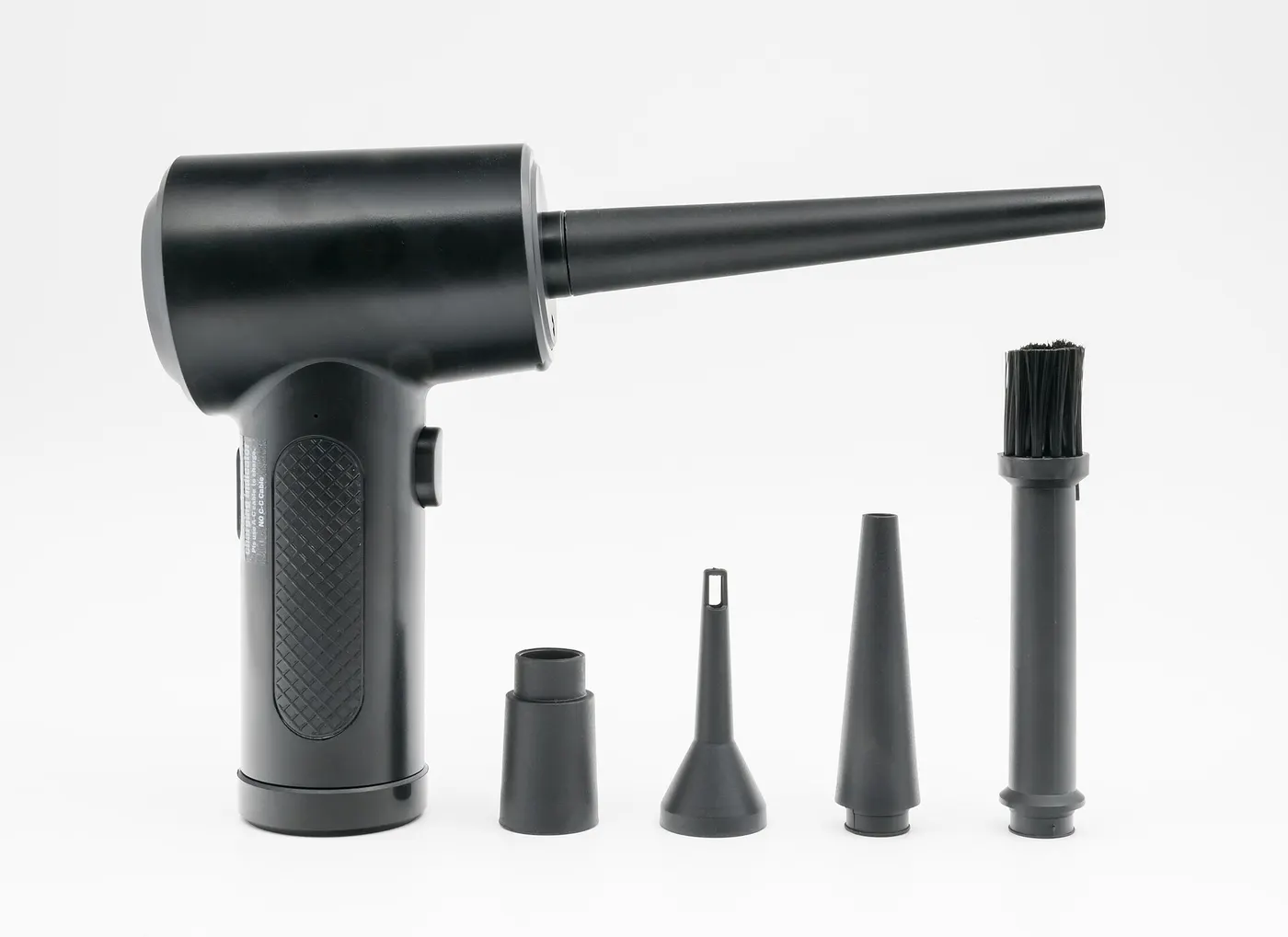
A cordless stick charged three times a week at 0.25 kWh a charge uses about 39 kWh a year, which is £10.26. The 30 W, 2 W and 0.25 kWh figures are assumptions used to show the method, not measurements of any particular machine, and a plug-in energy monitor on your own socket will beat all of them.
| Machine and assumption | kWh a year | Cost a year |
|---|---|---|
| Corded mains vacuum at the 43 kWh ecodesign ceiling | 43 kWh | £11.32 |
| Robot cleaning 1 hour a day at an average 30 W | 10.95 kWh | £2.88 |
| Robot dock drawing a continuous 2 W all year | 17.52 kWh | £4.61 |
| Robot, cleaning and dock together | 28.47 kWh | £7.49 |
| Cordless stick, 0.25 kWh a charge, 3 charges a week | 39 kWh | £10.26 |
The 43 kWh line is the regulatory ceiling; the rest are stated assumptions. Ofgem's daily standing charge of 54.83 pence is a fixed charge for the connection and does not change with how often you vacuum.
Consumables are the larger half
Filters, brush bars, side brushes and bags are the recurring cost, and on most machines they are two to four times the electricity. A filter replaced twice a year at an example £12 is £24 a year. A robot that also gets new side brushes and a brush roll at an example £15 a year is on £39.
Set that against £11.32 of electricity for the corded machine and £7.49 for the robot and the ranking is clear: consumables are the number to compare when you are choosing, and the thing to price before you buy rather than after. The consumable price is published by the maker and does not change with your habits, which makes it the most reliable line in the whole calculation.
Washable filters move the figure substantially but not to zero, because most washable filters are rated for a limited number of washes and still need replacing. Treating a washable filter as free is the commonest error in this arithmetic.
- Two filters a year at an example £12 each is £24
- Robot side brushes and brush roll at an example £15 a year takes that to £39
- Against £11.32 of electricity for a corded machine, consumables are about 2 to 3 times larger
- Against £7.49 for a robot, an example £39 of consumables is about 5 times larger
- A washable filter still has a replacement interval, so it is cheaper rather than free
The machine itself, spread over the years you keep it
Add the purchase price divided by the years kept and the picture completes. A £180 corded mains vacuum kept 8 years is £22.50 a year. A £300 robot kept 5 years is £60.00 a year. A £450 cordless stick kept 6 years is £75.00 a year.
Put those alongside the consumables and the electricity and the totals are £57.82, £106.49 and £115.26 a year respectively. The spread is £57.44 a year between the cheapest and the dearest to own, which across 5 years is £287.20, almost the whole purchase price of the robot.
None of that makes the corded machine the right purchase. It makes the convenience of the other two a priced decision rather than a free one, which is the only thing a running-cost calculation can honestly do.
| Machine | Purchase a year | Consumables a year | Electricity a year | Total a year |
|---|---|---|---|---|
| £180 corded mains vacuum, kept 8 years | £22.50 | £24.00 | £11.32 | £57.82 |
| £300 robot, kept 5 years | £60.00 | £39.00 | £7.49 | £106.49 |
| £450 cordless stick, kept 6 years | £75.00 | £30.00 | £10.26 | £115.26 |
Purchase a year is the price divided by the years kept, with no resale subtracted. Consumables and electricity are the example figures set out in the two sections above. Prices are illustrations, not quotations.
What moves the total, and what does not
Change one input at a time and the sensitivity is obvious. Keeping the £300 robot 8 years instead of 5 drops its purchase line from £60.00 to £37.50 a year, cutting the total from £106.49 to £83.99, a 21% reduction. Halving the electricity by changing tariff saves £3.75 a year on the same machine, which is about 3.5%.
That is why battery replaceability matters more than efficiency claims on a cordless machine, and why a dock that can be switched off at the socket overnight is worth more than a marketing figure. On the robot's own numbers, the dock's £4.61 is 62% of its total electricity.
The honest conclusion is that this category is not an energy decision. It is a durability and consumables decision wearing an energy costume, which is also why there is no UK energy label for vacuum cleaners to put on the box.
Doing this with your own numbers
The method takes about 10 minutes. Find your own unit rate on a recent bill rather than using the cap figure, since many tariffs sit either side of it. Read the rated power from the machine's own plate, or measure it with a plug-in energy monitor, which is the only way to get a real figure for a robot that cycles.
Then look up the filter and brush prices on the maker's own parts page and write down the interval you will really use. Those four inputs — tariff, power, part price and interval — are everything the running-energy and cost-per-year calculators on this site need, and they are all things you can establish before you buy anything.
Before you buy
- Take your unit rate from a recent bill rather than from a national average
- Leave the daily standing charge out of the appliance calculation
- Use the 43 kWh ecodesign ceiling as the worst case for a corded mains machine
- Measure a robot or cordless machine with a plug-in energy monitor rather than estimating
- Look up filter, brush bar and side brush prices on the maker's own parts page
- Write down the replacement interval you will really use, including for washable filters
- Divide the purchase price by the years you expect to keep the machine and add all three lines
Questions readers ask
- What electricity rate should I use?
- Your own, from a recent bill. The figures here use Ofgem's price cap unit rate of 26.32p per kWh and a daily standing charge of 54.83 pence for a typical direct debit customer in the 1 October to 31 December 2026 cap period. The standing charge is for the connection and does not change with how much you vacuum, so it does not belong in an appliance calculation.
- Does leaving a robot on its dock waste much electricity?
- On the assumptions used here it is the larger half of the robot's consumption. A dock drawing a continuous 2 W uses 17.52 kWh a year, which is £4.61, against £2.88 for an hour of cleaning a day at an average 30 W. That makes the dock 62% of the robot's total electricity, which is why a switched socket is worth more than any efficiency claim.
- Is a 900 W vacuum weaker than an old 2,000 W one?
- Not necessarily, because the regulation that capped power also raised the cleaning requirements. From 1 September 2017 a covered machine had to be under 900 W and still reach dust pick-up of at least 0.75 on carpet and 0.98 on hard floor, against 0.70 and 0.95 in the earlier phase. Power came down while required performance went up.
- Are washable filters actually free?
- No, and treating them as free is the commonest error in this arithmetic. Most washable filters have a stated number of washes or a replacement interval, after which performance falls and the part has to be bought. Price the replacement interval the maker publishes and put that into the consumable line rather than entering zero.
- What is the single biggest lever on the total?
- The years you keep the machine. Taking a £300 robot from 5 years to 8 years cuts its total from £106.49 to £83.99 a year, a 21% saving, while halving the electricity rate saves about £3.75 a year, around 3.5%. Battery and parts availability therefore matter far more than any energy figure on the box.
Sources
- Ofgem — Energy price cap unit rates and standing charges (26.32p per kWh and 54.83p a day, direct debit, 1 October to 31 December 2026) — checked 2026-11-03
- legislation.gov.uk — Commission Regulation (EU) No 666/2013, Annex I (43.0 kWh/year and 900 W from 1 September 2017) — checked 2026-11-03
- GOV.UK — Regulations: energy information (vacuum cleaners are not a labelled product category) — checked 2026-11-03
Advertising is not enabled on this site yet. When it is, ads will be labelled and kept visually separate from the guides.